
BY MARTINA JURIČKOVÁ
Observing the world and nature for many centuries, old generations passed to their offspring multitudes of folk wisdom through various proverbs and sayings. This article provides a selection of those going around among the old Slovak people related to the end of the year.
Most of the sayings and proverbs are tied to feasts and memory days of important Christian saints, others just to the prevailing weather conditions during these months.
Autumn Spring Proverbs and Sayings
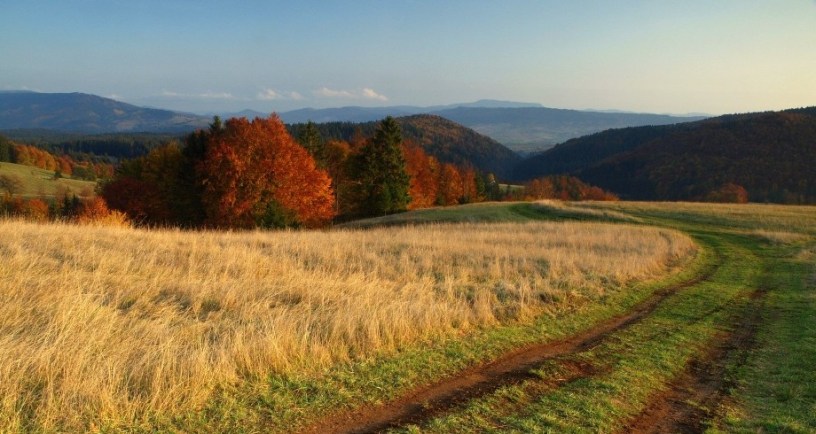
One windy autumn day
made trees bid farewell
when all leaves flew away.
There are no more leaves to keep,
wood falls into winter sleep.
- “Autumn’s end” by Martina Juričková
September
Special days proverbs
4 September – Saint Rosalia
- If Rosalia burns flowers, Lucia (13 December) will draw them on windows.
5 September – Saint Regina
- Saint Regina is a cold lady who brings in the autumn.
8 September – The Nativity of the Blessed Virgin Mary
- What’s the weather like on the Nativity of the Blessed Virgin Mary, such it will be in four weeks again.
- The Nativity of the Blessed Virgin Mary bid farewell to the swallows.
- If it does not rain on the Nativity of the Blessed Virgin Mary, autumn will be dry.
14 September – The Exaltation of the Holy Cross
- Shortly after the Exaltation of the Holy Cross autumn will show its full power.
16 September – Saint Ludmila
- Saint Ludmila washes the land with rains.
21 September – Saint Matthew
- Sow winter wheat in Matthew’s week.
- After Saint Matthew’s day pull your cap on your ears.
- If the vine ripened well before Saint Matthew’s day, hope for a good wine next year.
22 September – Saint Moric
- If the morning of Saint Moric’s day is clear, winter will be windy.
27 September – Saint Cyprian
- Saint Cyprian’s day is often cold in the morning.
28 September – Saint Wencelas
- Saint Wencelas’s day brings a flood of mud.
- Saint Wencelas brings the Indian summer.
29 September – Saint Michael
- Clear night sky before Saint Michael’s day foretells a harsh winter afterwards.
- Michael breathes winter and sneezes snow.
- On Saint Michael’s day, winter winds come.
- If acorns fall down on Saint Micheal’s day, the Indian summer won’t last long.
- As many frosts there are before Saint Michael’s day, as many will come after Saint Valburga’s day (25 February).
- If it rains on Saint Michael’s day, winter won’t get harsh before Christmas.
- If migratory birds stay home until Saint Micheal’s day, the winter will be warm.
General proverbs
- What’s the weather like on the first September day, such it will be for the rest of the month.
- If it rains on the first September day, beetroot will be harvested from mud.
- If it thunders at the beginning of September, next year will have a good harvest.
- If the mist falls from the mountains to the valleys in the morning, they will clear up later.
- If the mists rise up, it will rain.
- It the mountains are misty, there will be a lot of mushrooms.
- If the mountains are misty, rain is sure to come.
- If wasps come to houses in autumn, they foretell a harsh winter.
- Every farmer depends on September rains.
- September rain is a blessing for the fields but a poison to the vineyards.
- South wind is followed by rain.
- In September take all from the fields.
- Warm and dry September is followed by wet and cold October.
October
Special days proverbs
4 October – Saint Francis of Assisi
- Saint Francis brings people inside their houses.
5 October – Saint Placid
- On Saint Placid’s day, sun heats no more.
- On Saint Placid’s day, winter replaces autumn.
8 October – Saint Bridget
- The dawn of Saint Bridget’s day brings mists.
11 October – Saint Valentina
- Female Valentine makes a lot of wine.
15 September – Saint Therese
- On Saint Therese’s day, everyone harvests.
- Saint Therese’s day is rarely without rain.
16 October – Saint Havel Gallus
- What’s the weather like on Saint Havel’s day, such winter it foretells.
- Saint Havel stops the fieldworks.
- Dry Saint Gallus’s day foretells dry winter and dry summer too.
- Saint Gallus end the Indian summer.
18 September – Saint Luke
- Before Saint Luke’s day have your hands as you like, but afterwards put them in your pockets.
21-22 October – Saint Ursula and Cordula
- If it’s windy on the days of Saint Ursula and Cordula, it will be windy all the winter.
- Saint Ursula and Cordula move the winds.
- If the night is clear and there is a full moon on Saint Ursula’s day, winter nights will be dark.
28 September – Saint Simon and Jude
- Saint Simone and Jude freeze all the fields.
- Simone and Jude move the shepherds from their chalets to the village.
General proverbs
- Even if the beginning of October is nice, in its later half northerns winds blow.
- If there are storms with lightning in October, winter is close.
- If snow falls early in October, winter will be mild.
- A stormy October foretells a changeable winter.
- Frequent mists in October bring winter and a lot of snow.
- If birds come close to houses in October, winter will be harsh.
- If it’s freezing and snowing in October, January will be warm.
- It there are many wasps and hornets in October, winter will be long and harsh.
- White October is followed by green January.
- Rainy October foretells a fruitful next year.
- If there are deep frosts in October, January will barely make us cold.
- Green October is followed by white January and February.
- If all the leaves fall off in October, winter will be mild.
- Warm October foretells cold November.
- A lot of rain in October, a lot of wind in December.
- If the October snow lasts long, winter will be long too.
November
Saints and feast days proverbs:
1 November – All Hallows’ day
- When it’s wet on All Hallows’ Day, we can expect a lot of snow in the winter.
- If All Hallows bring wintry cold and snow, Saint Martin (11 November) bring a summery warmth.
3 November – Saint Hubertus
- Saint Hubertus on his day shoos the warmth away.
9 November – Saint Theodor
- Saint Theodor brings the frost from the mountains.
11 November – Saint Martin of Tours
- When it rains and then freezes over on Saint Martin’s day, it harms the winter crops and causes them to be expensive.
- Saint Martins comes on a white horse. (Meaning, he brings snow).
- If Saint Martin comes on a white horse, in winter, blizzards will follow after blizzards.
- After Saint Martin’s day, winter stops joking around. (Meaning, it gets serious).
19 November – Saint Elizabeth
- The weather on Saint Elizabeth’s day predicts the next year’s summer’s weather.
21 November – Presentation of Our Lady
- The Presentation of Our Lady brings winter along.
- When on the Presentation of Our Lady the night sky is clear and bright, January will bring a cruel winter.
22 November – Saint Cecilia
- Saint Cecilia covers the fields with snow.
23 November – Saint Climent
- Saint Climent likes winter more than anybody else.
25 November – Saint Catherine
- Catherine’s name is lovely, but her dowry cold.
- Catherine on mud, Christmas on ice.
- On Catherine’s day, snow knocks on your windows.
- If it’s warm on Catherine’s day, that is very bad because then snow will cover the fields as long as Saint Joseph’s day (19 March).
30 November – Saint Andrew
- If it’s rainy on Saint Andrew’s day, in each winter month there will come a melting period.
- Saint Andrew brings warmth back again.
General proverbs
- If trees bloom in November, winter will last until May.
- If water levels rise in November, they will do so also all through the winter.
- November thunders turn wheat to gold.
- If it’s thundery in November, farmers have a cause for joy.
- If snow falls onto mud in November, the winter crops will be ruined.
- If November stars shake, it will be cold.
- If the November stars are clear, it will be windy.
- If there are many stars in the November sky, the next day will bring rain.
- If there are fogs in November, winter will come soon.
- The first snow rarely lasts long, though.
- May weather next year will be like the November weather this year.
Slovak Winter Proverbs and Sayings
December
Saints and feast days proverbs:
4 December – Saint Barbara
- What’s the weather like on Saint Barbara’s day, such it will be until Christmas.
- Saint Barbara bring the sledge out to the yard.
- Saint Barbara calms the winds.
6 December – Saint Nicholas
- On Saint Nicholas’s day, winter is finally ours.
- If it snows on Saint Nicholas’s day, the next year will be blessed.
13 December – Saint Lucia
- Since Lucia is till Christmas, every night is magical.
- If Lucia gets her clothes muddy on her day, she’ll have to wash them in January. (Meaning, if it’s muddy on Lucia’s day, it will be rainy in January).
- Lucia shortens the nights but adds nothing to the days.
- What the weather will be like on each day since Lucia’s day till Christmas, such will be the weather each corresponding month next year.
16 December – Saint Albina
- The veil of Saint Albina covers the valleys (meaning it will be frosty).
24 December – Saint Adam and Eve, Christmas eve
- As long as the snow will cover the earth before Christmas, as long it will cover it after Christmas.
- On Adam and Eve’s day expect melting.
- Clear Christmas weather signifies a lot of wine and fruit next year.
- Better Christmas freezing than melting.
- White Christmas, green Easter. (Meaning, if it’s snowy on Christmas, in Easter spring will be in full swing).
29 December – Saint Thomas Beckett
- On Saint Thomas’s day, winter shows her true colours.
- Saint Thomas wears a furry coat. (Meaning, it will be so cold, you’ll need a thick furry coat).
General proverbs
- If the first December day is wet, it foretells a warm winter.
- If the December moon is clear, it will be freezing.
- If the crows come close to houses in winter, it will be very cold.
- If the crows huddle together, it will be windy.
- Western winds bring rains, eastern winds bring cold and snow.
- Muddy December foretells the whole next year to be muddy.
- Thunder in December is usually followed by thick rain and wind.
- A lot of snow in December foretells a lot of grass and fruit next year.
- When December’s snowy and frosty, it will bring a fertile/fruitful year.
- Cold December foretells a fruitful year.
- Cold December means spring will come early.
- Warm December ruins the whole winter.
January
Special days proverbs:
1 January – New Year
- Like on the New Years’, like for the rest of the year.
- Clear and quiet New Year’s night foretells a good year.
- If it’s muddy on New Year’s, it will be snowy at Easter.
- If it’s rainy around the beginning of the year, the wine maker will pull out his hair in despair.
- If the year starts with snow, it promises a lot of bread but a lack of wine.
2 January
- If the second day of the year is clear, winter will be long.
- If it does not snow on the second day of the year, spring is close.
- If the second day of the year is clear, fruit will be plentiful.
4 January
- If the fourth day of the year is clear, the year will be cloudy and nasty.
6 January – The Epiphany (or The feast of the Three Wise Men)
- On the feast of the Three Wise Men the day is a step longer. (Meaning, days are getting longer).
11 January – Saint Hyginus
- The true winter begins on Saint Hygin’s.
16 January – Saint Marcel
- On Saint Marcel’s day, winter bites into the body.
20 January – Saint Fabian
- Even the gypsies are afraid of the winter Fabian brings.
21 January – Saint Vincent
- If on Saint Vincent’s day a bird drinks water off the rail, the year will bring a lot of wine. (Meaning, if it’s rainy, there will be a good wine harvest).
- How is the weather on Vincent’s day, such it will be during the whole summer.
- If on Saint Vincent’s day the mosquitos are already out, the cattle will eat even the thatched roof over its head. (Meaning, if it’s already warm enough for mosquitos to be out, the produce will be so weak that the cattle will starve).
25 January – the conversion of Saint Paul
- If on Paul’s conversion a bird drinks water off the rail, spring will come late.
- The conversion of Saint Paul is also the conversion of winter. (Meaning, it will start melting soon).
- The conversion of Saint Paul marks half of the winter.
- On Paul’s conversion day, the bear turns to lie on his other side. (Meaning: as bears hibernate during winter, it is the half-time of their hibernation).
- If winter has been strong until Paul’s conversion, warming will only come on Saint Joseph’s Day (19 March).
- If the day of Paul’s conversion is clear, the year will be happy.
29 January – Saint Francis of Sales
- Winter frost tends to return on Saint Francis of Sales’ day.
General proverbs
- If it rains in January, the produce will be bad.
- Woe betide the year in which grass grows in January!
- The green that January brings, May will burn. (Meaning, if January is warm enough for grass to grow, May will be hellishly hot).
- What January missed, February catches up with. (Meaning, if winter was weak in January, it may get harsher in February).
- Rain in January makes the farmers sad.
- Cold January foretells a warm March.
- Wolves and foxes howling in January signifies a harsh winter.
- If there is a northern wind in January, the wheat will be plentiful.
- If January does not cover the fields with snow, they will come to waste.
- If January melts the snow down, February will refreeze them.
- White January foretells a green November.
- If there is a lot of snow in January, March will be dry.
- If the weather is nice in January, so it will be in the summer too.
- If January is warm, it will bring the utmost misery. (Meaning, bad produce).
- If the beginning and the end of January are nice, the produce will be plentiful.
- If winter does not come in January, it will come in April and May.
- A lot of snow in January foretells a lack of water in April and May.
- If January brings snow and mud, February brings frosts.
- Clear January Mondays foretell nice Easter.
- January frosts make people happy, rains unhappy.
- January is best when everything is snowy white.
- Like January, like June.
- If bees fly out in January, it foretells a bad year.
- In January, it’s better to see a hungry wolf in the fields rather than farmers in thin shirts (thin shirts signify that it is too warm).
February
Special days proverbs:
2 February – The Presentation of the Lord (Candlemas)
- If snow melts on Candlemas, winter will yet wear on.
- If there is frost on Candlemas, be quick with your winter duties because spring is near.
- If it’s sunny on Candlemas, the wheat will be beautiful.
- On Candlemas, winter’s half-way done.
- As many stars you can see in the Candlemas night sky, as many eggs your hens will lay this year.
- Snowstorms on Candlemas make the farmers happy.
- After the Candlemas, sleighing ends.
- Candlemas brings strong wind to the town.
- A Candlemas snowstorm will return no more.
- If it’s freezing on Candlemas, the summer will be warm.
- If it’s freezing on Candlemas, the spring will be soon and warm.
- Snowstorms on Candlemas predict the soon appearance of sun.
3 February – Saint Blaise
- On Saint Blaise the sun makes no blaze.
- Saint Blaise drives the farmer to the fields.
- On Saint Blaise’s day, the snowstorms continue.
4 February – Saint Veronica
- Saint Veronica breaks the ice on lakes.
- Saint Veronica still likes to sledge.
5 February – Saint Agatha
- Saint Agatha is generous with snow.
- On Saint Agatha’s day, bring the manure to the fields.
- Saint Agatha covers all with snow.
- Saint Agatha shoves snow under your clothes.
6 February – Saint Dorothy
- Crying Dorothy will freeze all your work. (Meaning, if it rains on Dorothy’s day, there will be frost yet).
9 February – Saint Apollonia
- Saint Apollonia often hides in mists.
- If it rains on Apollonia’s day, the produce will be thirsty all year round.
14 February – The Ash Wednesday / Saint Valentine
- What the weather is like the day before Lent begins, such it will be during the whole Lent.
- Saint Valentine freezes even water-mill wheels.
- On Saint Valentine’s day, winter takes a second breath.
- If cats revile in sunlight before Ash Wednesday, they will hide behind the stove during Lent. (Meaning, if it was warm before, it will get colder during Lent).
16 February – Saint Juliana
- Saint Juliana puts the sledges away and gets the wheel-cart ready.
21 February – Saint Radim
- Saint Radim clears the fields.
22 February – Feast of the Chair of Saint Peter
- Snowstorm from the Feast of the Chair of Saint Peter will return nine more times.
24 February – Saint Matthew
- If Matthew finds an ice, he melts it, but if he finds none, he creates it. (Meaning, if it was cold until now, it will get warmer, or vice versa).
- If it’s freezing on Saint Matthew’s day, the buckwheat will be great.
- If there is frost on Matthew’s day, it will come yet forty times.
- After Saint Matthew’s day the winter either gets lost or strengthens.
- On Saint Matthew’s day, the ice breaks even under a fox.
- Rain on Saint Matthew’s day foretells a good potato harvest.
27 February – Saint Gabriel Possenti
- If it’s freezing on Saint Gabriel’s day, the harvest will be good.
28 February – Saint Romanus
- If the day is clear on Saint Romanus’s day, the produce will be plentiful.
- Nice weather on Saint Romanus’s day foretells a good harvest.
General proverbs
- February rains harm the fields.
- Strong north winds by the end of February signify a fruitful year.
- If frogs croak in February, the produce will be terrible.
- Dry February predicts wet August.
- If the lark sings in February, winter will last until April.
- If you don’t cut the vine in February, there won’t be good conditions to do it in March.
- If frost is strong in February, it will not last long.
- If February is weak, the year will be bleak.
- If February is snowy, March is dry.
- If the stars are clear in February, the year will be fruitful.
- Long icicles in February signify the hemp will grow long too.
- If the birds you catch in February are fat, winter will be long yet.
- If the end of February brings north wind, the harvesters will be happy.
- A lot of snow in February signifies a lot of hay later.
- If the winter does not peak in February, it will last until Easter.
- February sun is fake.
- February melts will refreeze in March.
 Fellowship & Fairydust