
BY ARUSHA AFSAR
Composed in 2022.
With the passing of each moment, day, week, month and having just having survived an apocalyptic three year long pandemic, reaching Ramadan this year was almost like landing on the safety of the ‘GO’ spot on a monopoly board and collecting $200.
A much needed mental, spiritual and physical shift was deeply required after a draining period of worldwide lockdowns, no travel, very limited social gatherings and mental exhaustion. It may seem to many that Ramadan would add to these burdens, with no food and water for long hours but to 1.8 billion Muslims across the globe, the experience of Ramadan transcends beyond just the abstinence of food and drink and sexual intimacy during daylight hours to a spiritual retreat from this world and its burdens.
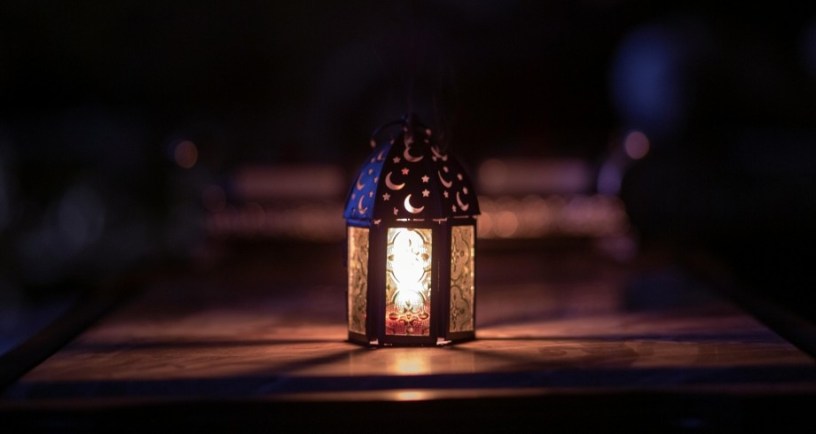
Reflecting back to my childhood, Ramadan began in my mind as colourful crescent moons and hanging stars sweets, guests and sunset feasts. My mother each night would prepare an elaborate array of foods in the evening, an exciting table spread of samosas and gram flour fritters, rice and other delectables. At the end of the meal we shared together as a whole family, I would love a generous dollop of a dates and cream concoction that she would often make as it was my absolute favourite post-iftar sweet treat. We would then scuttle off to the mosque where the musky scent of sweat combined with Arabian ouds of all kinds sweetened the air. I would get to see my friends from Arabic school and spend the evening giggling together in between prayers, sometimes we would remain there until the Fajr (dawn) prayer where would share a pre-dawn meal together from big silver platters.
As the years progressed, this understanding of Ramadan slowly evolved to beyond just what was on the menu each night after our fast ended, as I renewed my understanding and re-evaluated thoughts and concepts each time I undertook the arduous task of starving myself and focusing on matters other than food and materialism. With each experienced Ramadan, I learnt new things about it such as abstaining from food and drink to empathise with the needy, about fasting to repair the body and from damage, about giving time to the needs of others rather than just my own needs, about creating a unified community spirit through service to others. I began to experience it from a variety of different angles and each year a new Ramadan mystery would become unravelled to me. With each Ramadan it became an experience of unboxing of spiritual treasures and delights, food for the soul by depriving food for the belly.
This year after another month long of fasting and abstaining from all that would normally be permissible during daylight hours in any other given month, after sacrificing my sleep and swapping my day for night and night for day, I find myself once again sitting here reflecting about the month-long bootcamp I have just been through. Contemplating about what I have learnt, what I have become and who I most aspire to become once Ramadan draws to a complete end. As I write, three hours are left of Ramadan and the feeling is as if a wonderful guest came with many gifts and treasures to my home and is now leaving. It is a feeling of bittersweet elation of having hosted such an honourable guest and now having to say goodbye until next time. At the end of these 30 days of self-discovery, I have also managed to meet me once again and I through which I learnt about aspects of myself which were unbeknown to me previously due to being so busily engaged with the humdrum of the usual conundrums of what to cook tonight, or what latest Netflix movie to watch, or which project at work I needed to finish. I spent time with myself, re-developing a relationship with God once again, reading the Quran again to remind myself and reaffirm why I had accepted this as my way of life and belief from an intellectual and thoughtful basis.
Most importantly, I have unearthed a new piece of the puzzle that is Ramadan. This time around I have learnt about ‘me’ in deeper ways than ever before previously. I noticed one thing in particular after 30 days of hunger, is that as humans when we feel full, satisfied and satiated, we don’t feel the need for dependency and develop a very false sense of security and self-sustenance. We delude ourselves into thinking that we are our own providers and are not in need of anyone else. Once you take away the essentials such as food, water and sleep, it is only then once the hunger pangs hit and the belly rumbles, once your lips dry up and you feel the fatigue of lack of sleep during the night, that you actualise how weak and dependent you really are as a human. All arrogance and pride in our own independence diminishes, all egos are forced to retreat and we remember that without a few hours of proper deep sleep and a good meal we are actually quite weak and that we are in constant need of a higher power to maintain and sustain us. This is a persistent theme in the Quran which I encountered this year, where God continuously questions us, his creation to think and reflect about the basic essentials to life which we cannot even provide for ourselves but we take for granted and give little thanks and appreciation to the source that does provide it.
“Have you considered: if your water was to become sunken [into the earth], then who could bring you flowing water?” (The Quran 67:30) ‘There is a sign for them in the dead earth: We give it life, producing grain from it for them to eat. And We have placed in it gardens of palm trees and grapevines, and caused springs to gush forth in it, so that they may eat from its fruit, which they had no hand in making. Will they not then give thanks?’ (The Quran 36:35) Were they created by nothing, or are they themselves the creators? (The Quran 52:35) “And among His signs is your sleep by night and by day and your seeking of His bounty, verily in that are signs for those who hearken” (30.23).
Simply spending some time pondering over these and similar verses in the Quran, reminded me of how we go about our daily lives just taking things as a given, almost worshipping our own selves for all of our accomplishments and progress. Yet when we take away our essential needs and comforts, the stark reality of our neediness becomes apparent. This world and our lifestyles can dupe us into the collective illusion that we are ok and we are able to provide for ourselves, we saw how quickly that was shattered when Covid swept through our lands taking with it many hostages. That illusion of complete self-dependence comes from being constantly full. When our needs are all fully met we have no need for anything and we are full to the brim, we then have no need to remember God in our lives. So Ramadan this year has shown me that going hungry sometimes is important to remind ourselves of who we really are, realising our weaknesses and dependencies and realising all of that returns us to a state of true gratitude to God in our lives. It reminds me of another beautiful analogy in the Quran describing this lack of appreciation of God that we as humans often default to:
“If they happen to be aboard a ship ˹caught in a storm˺, they cry out to God ˹alone˺ in sincere devotion. But as soon as He delivers them ˹safely˺ to shore, they associate ˹others with Him once again˺.” (The Quran 29:65)
The need for food and drink and the need for sleep and indeed all other needs are a clear reminder to us that actually we are in constant need of God and we are in need of him all the time, he is the true cherisher and sustainer of the universe he is independent, self-sustaining, everliving and not in need of any of the things we need. Yet we in our arrogance and in our own self-glorification only remember him in times of adversity, when hanging from the edge of a cliff, stranded in a dry dessert, drowning in a deep ocean when he is worthy of constant worship and constant glorification. So this Ramadan although I may have been deprived of food in the literal sense, it has definitely given me some food for thought on many other levels.
This piece previously appeared in Fasting & Feasting: A Fellowship & Fairydust Seasonal Newsletter (Spring 2022).
 Fellowship & Fairydust